How Proper Installation Prevents Cracking and Settling
Proper installation by local contractors ensures your concrete driveway resists cracking and settling, providing durable, long-lasting results for your home.
Proper installation plays a crucial role in ensuring the longevity and durability of concrete driveways. When local contractors follow best practices-such as preparing the foundation correctly, using appropriate mixing techniques, and implementing proper curing methods-they significantly reduce the risk of cracking and settling over time. Property owners in the area who want to avoid costly repairs and maintain a smooth, attractive driveway should pay attention to how installation techniques influence the overall performance of their concrete surfaces.
Understanding how proper installation prevents cracking and settling can help property owners make informed decisions when choosing a service provider. Local contractors experienced in driveway installation know how to address soil conditions, drainage, and material quality to ensure a stable, long-lasting result. Exploring these practical aspects can lead to better outcomes, making it worthwhile to connect with skilled professionals who prioritize proper installation methods for durable concrete driveways.
- Concrete driveway installation services are essential when homeowners want to ensure their driveways resist cracking and settling over time, with local contractors emphasizing proper subgrade preparation. When a property has unstable soil or poor drainage, local service providers focus on thorough site assessment and appropriate base materials to prevent future issues. For driveways in areas prone to temperature fluctuations, local pros use joint placement and expansion techniques to accommodate movement and reduce cracking risks. If previous driveway problems stem from improper initial installation, local contractors can implement proven methods to improve stability and longevity. Proper installation techniques by local service providers help maintain a smooth, durable surface that resists cracking and settling for years to come.

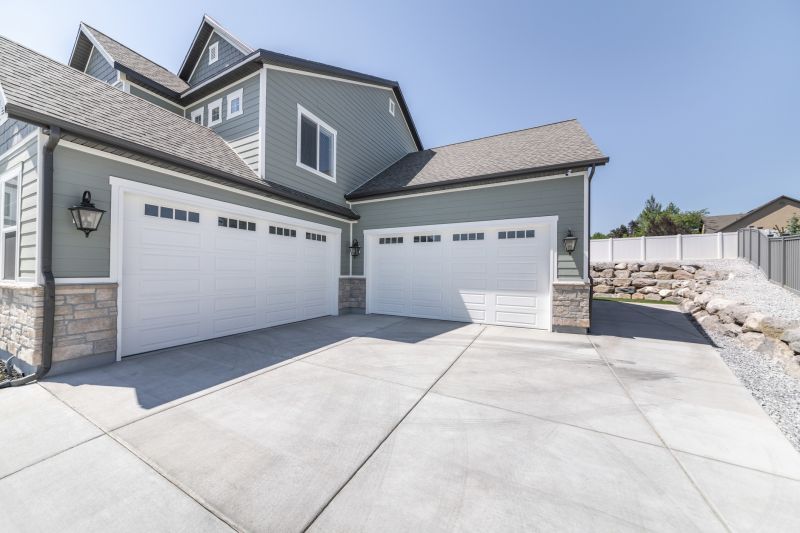

When homeowners search for information about how proper installation prevents cracking and settling, they are typically looking to understand how the quality of work impacts the longevity and durability of their concrete surfaces. Cracking and settling are common concerns for many property owners, especially when installing new concrete driveways, sidewalks, or patios. These issues often stem from underlying problems during the installation process, such as improper preparation, inadequate reinforcement, or incorrect mixture ratios. By exploring this topic, homeowners aim to learn how to avoid costly repairs and ensure their concrete remains stable and visually appealing over time.
This subject is closely related to a range of property plans that involve concrete work, including residential driveways, commercial parking lots, walkways, and recreational courts. Problems like uneven settling, surface cracks, or heaving are often linked to poor installation practices. For property owners, understanding how proper installation can prevent these issues is crucial for making informed decisions about hiring local contractors. Effective installation techniques help create a solid foundation, minimize movement caused by soil shifts, and reduce the risk of cracks forming due to temperature changes or load stresses.
The types of properties most commonly associated with concerns about cracking and settling include single-family homes, multi-unit complexes, retail centers, and industrial facilities. Each of these property types relies on concrete surfaces that bear weight, endure weather exposure, and contribute to curb appeal or functional use. For homeowners or property managers, ensuring that the concrete is installed correctly from the start can save significant time and money in future repairs or replacements. Local service providers who specialize in concrete installation can assess site conditions, recommend suitable materials, and apply best practices to prevent common issues related to improper installation.
Understanding how proper installation prevents cracking and settling helps property owners see the value in choosing experienced local contractors. These professionals are equipped to handle site-specific challenges, such as soil stability or drainage needs, which directly influence the success of the project. When concrete is installed with attention to detail-such as proper subgrade preparation, adequate reinforcement, and correct finishing techniques-it creates a durable surface less prone to movement or damage over time. Connecting with skilled local pros ensures that the project is completed with quality standards that promote long-lasting results and reduce the risk of future problems.
Paving projects - Professionals experienced in paving understand soil preparation, reinforcement, and proper concrete placement, which are essential for preventing cracking and settling in driveways.
Foundation repair services - These contractors focus on soil stability and proper base installation, skills that are directly applicable to ensuring a stable concrete driveway foundation.
Patio and walkway construction - Similar planning and tools are used to create level, durable surfaces that resist cracking and shifting over time.
Garage slab installation - Experts in garage slabs use techniques that emphasize control joints and proper curing, reducing the risk of future settling or cracking.
Retaining wall construction - This work involves soil stabilization and drainage solutions that can also benefit the longevity of adjacent concrete surfaces like driveways.
Concrete repair and restoration - These specialists utilize crack prevention methods and proper surface preparation skills applicable to new driveway installations.

When evaluating local contractors for concrete driveway installation, it is important to consider their experience with similar projects. Contractors who have a proven track record in installing driveways can better understand the nuances of proper installation techniques that help prevent cracking and settling. Asking about past work or requesting references related to driveway projects can provide insight into their familiarity with the specific challenges involved and their ability to deliver results that stand the test of time.
Clear written expectations are essential when comparing service providers. A detailed proposal should outline the scope of work, including preparation steps, materials used, and installation methods that contribute to stability and durability. This transparency helps ensure that both parties are aligned on the process and quality standards, reducing the risk of misunderstandings that could lead to issues like cracking or uneven settling down the line.
Good communication is a key factor in selecting a reliable contractor. Service providers who are responsive and willing to answer questions about their approach to proper installation can offer reassurance that they prioritize quality and customer satisfaction. When discussing your project, look for professionals who can clearly explain how their methods address common causes of driveway problems, such as soil movement or improper base preparation. This level of communication indicates a commitment to delivering a durable, well-installed driveway that minimizes future cracking and settling.
Property owners often search for how proper installation prevents cracking and settling when they are planning practical projects around their homes and businesses. Local pros provide Concrete Driveway Installation services for everyday jobs and straightforward project options.
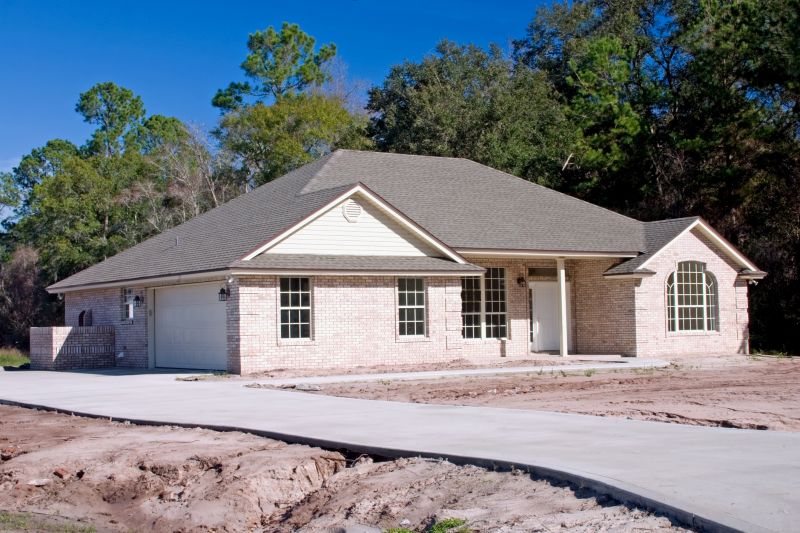
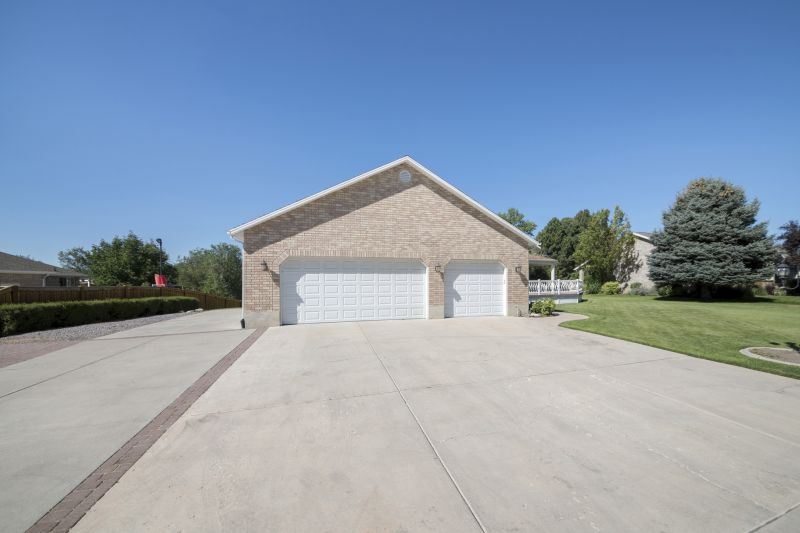
Proper installation techniques are essential for preventing cracking and settling in concrete driveways, especially in areas where ground movement or temperature fluctuations are common. When local contractors prepare the base properly, including adequate compaction and the use of appropriate materials, it creates a stable foundation that resists shifting over time. Proper joint placement and finishing methods also help control where cracks may form, reducing their appearance and prolonging the driveway’s lifespan. Homeowners seeking durable concrete driveways often look into how proper installation can save money and avoid future repairs caused by settling or cracking.
Choosing experienced service providers ensures that each step of the installation process is handled correctly, from site assessment to finishing touches. Local contractors who prioritize proper techniques understand the importance of managing soil conditions and moisture levels, which are critical factors in preventing uneven settling. By working with skilled professionals, property owners can improve the longevity of their driveways and minimize the risk of cracks developing prematurely, making proper installation a key consideration in any concrete driveway project.
Why is proper site preparation important for preventing cracking and settling in concrete driveways? Proper site preparation ensures a stable foundation by removing loose soil and grading the area correctly, which helps prevent uneven settling and cracking over time. Local contractors can prepare the ground properly to support the driveway's weight and minimize future issues.
How does the choice of concrete mix affect cracking and settling? Using the right concrete mix with appropriate strength and flexibility helps accommodate ground movement and temperature changes, reducing the likelihood of cracking and settling. Experienced service providers select mixes suited to local conditions for long-lasting results.
What role does proper reinforcement play in preventing driveway cracks? Proper reinforcement, such as rebar or mesh, distributes loads evenly and controls cracking, preventing it from spreading. Local pros incorporate reinforcement techniques during installation to enhance the driveway's durability.
How does control joint placement help in preventing cracking? Control joints are strategically placed to direct where cracks can occur, reducing random cracking and settling. Skilled contractors plan and install control joints to manage stress points effectively.
Why is curing important after concrete installation? Proper curing maintains moisture in the concrete, allowing it to gain strength and reduce surface cracking. Local service providers ensure adequate curing methods are followed for a durable, crack-resistant driveway.
Proper site preparation - Ensuring the ground is well-compacted and free of debris helps prevent uneven settling that can lead to cracks in the driveway.
Use of control joints - Installing control joints at strategic points allows the concrete to expand and contract, reducing the risk of cracking over time.
Correct mix and curing - Local contractors can recommend the right concrete mix and proper curing methods to minimize shrinkage and settling issues.
Adequate reinforcement - Incorporating reinforcement like rebar or wire mesh provides additional support, helping the driveway withstand ground movement without cracking.
If you are thinking about how proper installation prevents cracking and settling for a property, this guide is meant to help you understand this topic, the typical project types, and how different options might fit your plans.
When you are ready, you can use the quote form on this page to share a few details about your project. From there, local pros can review the basics and follow up with options that match what you have in mind.